



Melamine MDF/MDF with Melamine Film Sheet



Specification
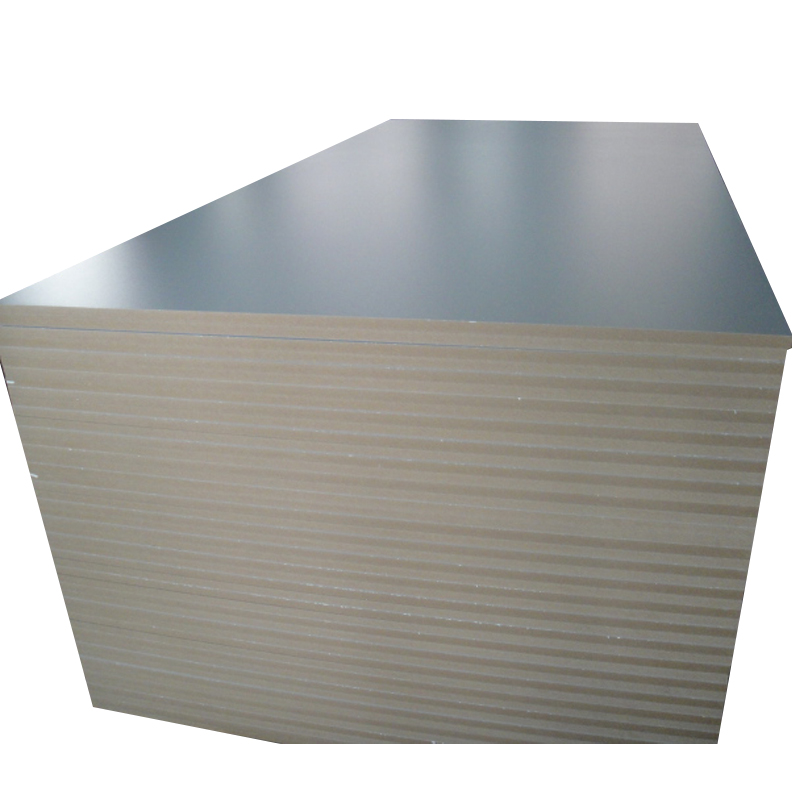
| Product Name | Melamine MDF/MDF with Melamine Film Sheet Melamine Laminated MDF Board for Furniture and Kitchen Cabinet |
| Size | 1220x2440mm/1250*2745mm or as requests |
| Thickness | 2~18mm |
| Thickness Tolerance | +/-0.2mm |
| Face/Back | 100Gsm Melamine Paper |
| Surface Treatment | Matt, textured, glossy, embossed, rift as requests |
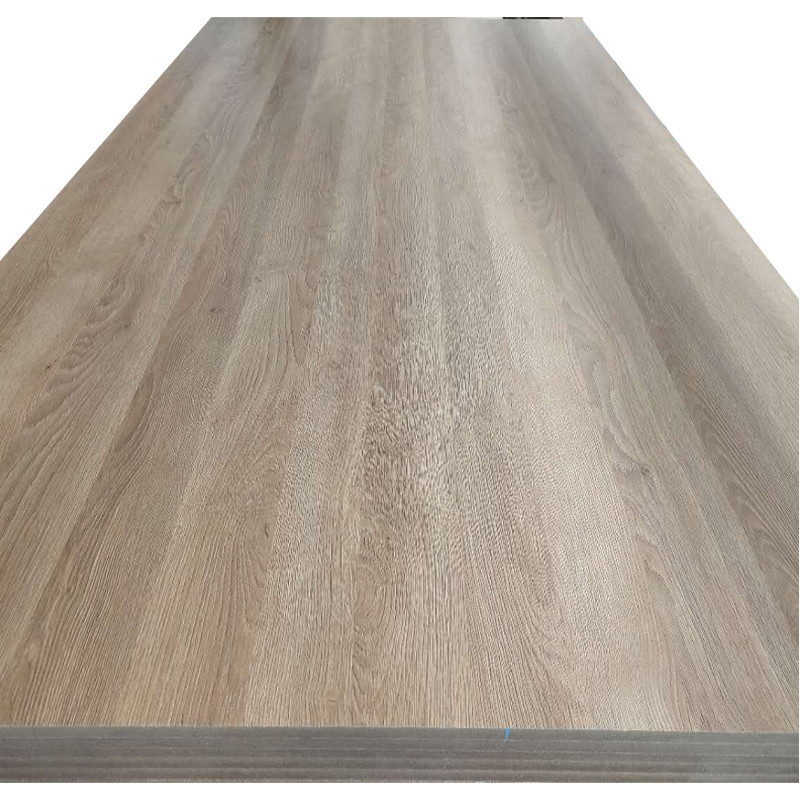
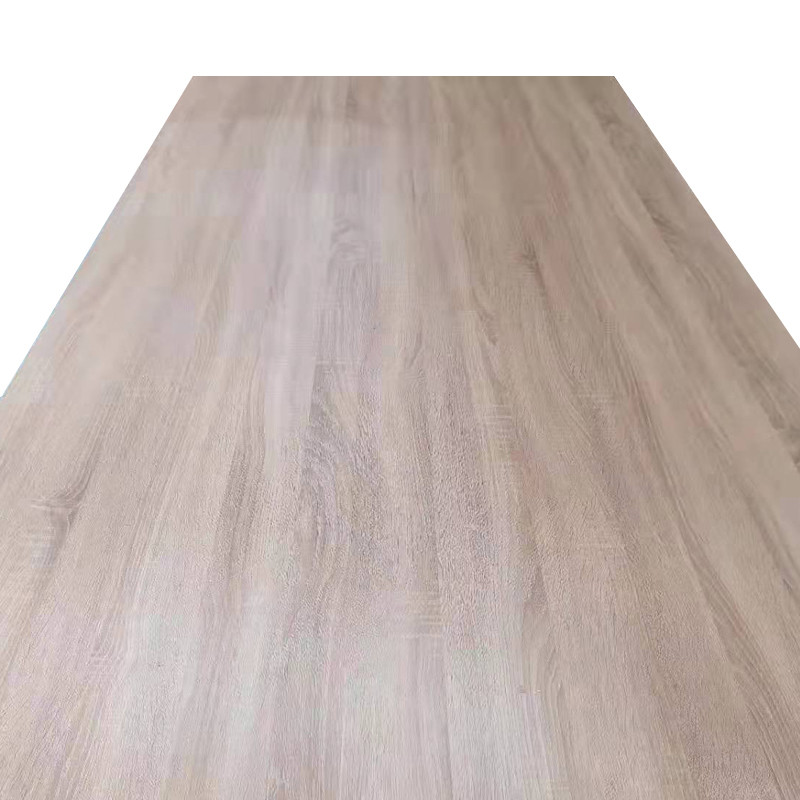
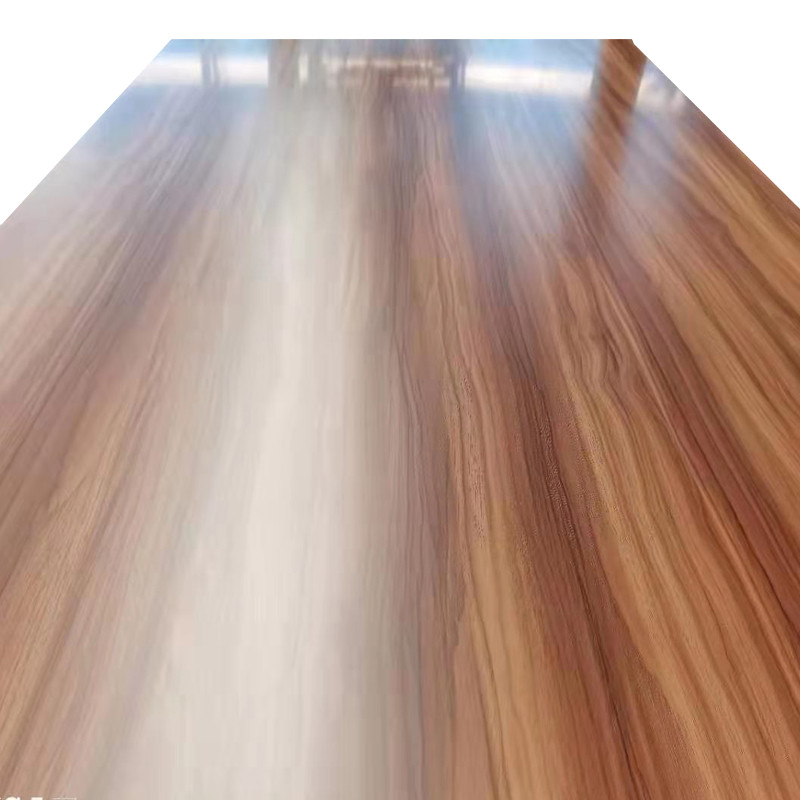
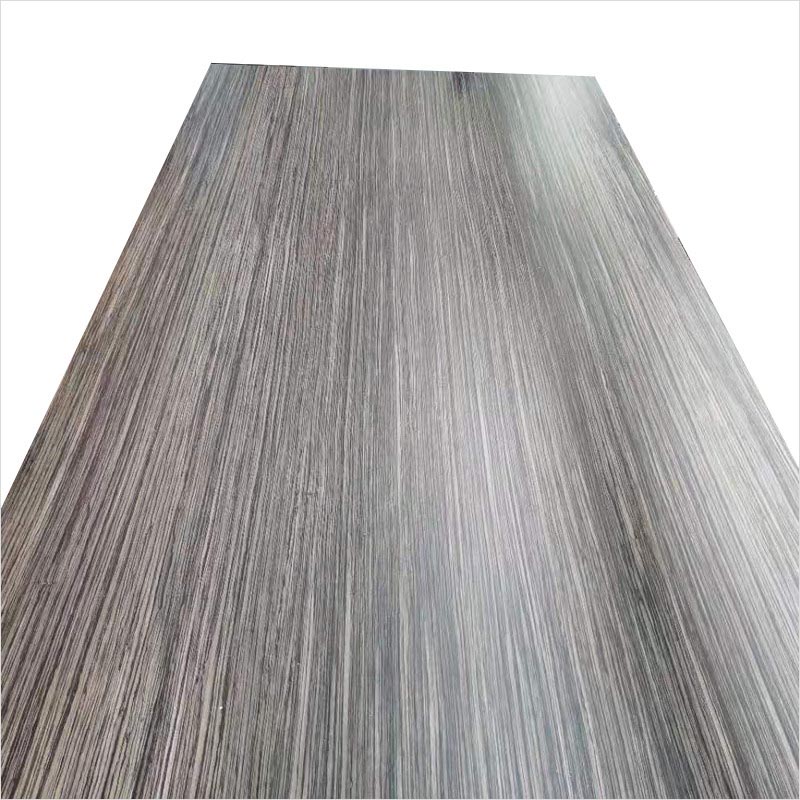
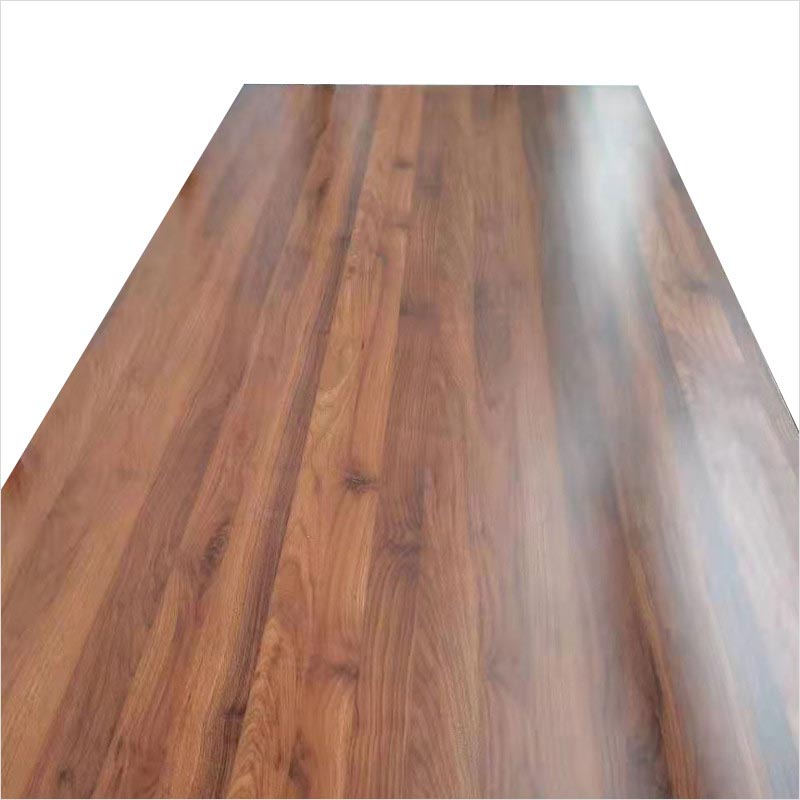
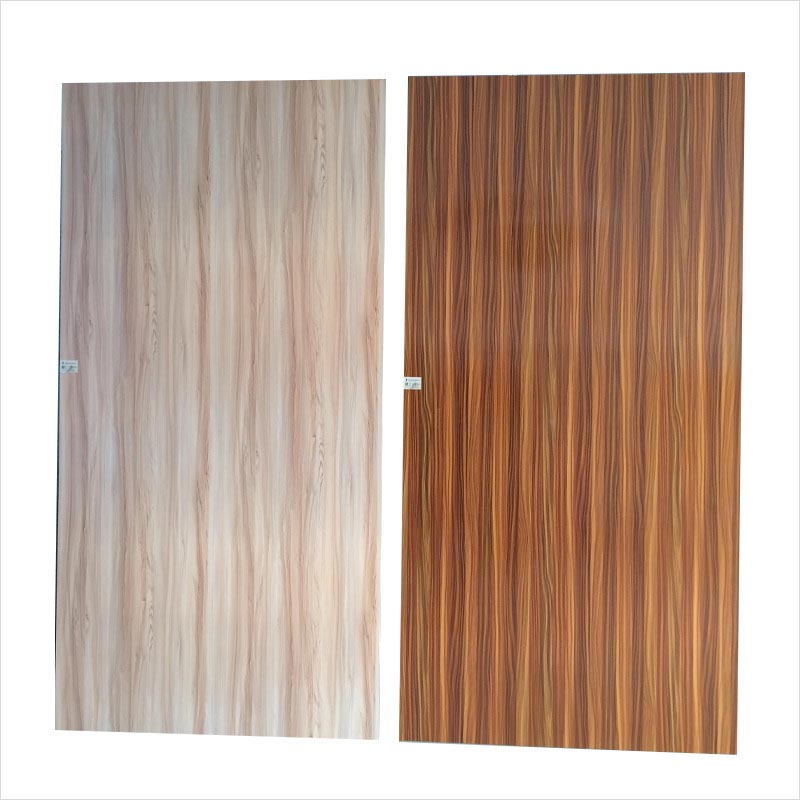
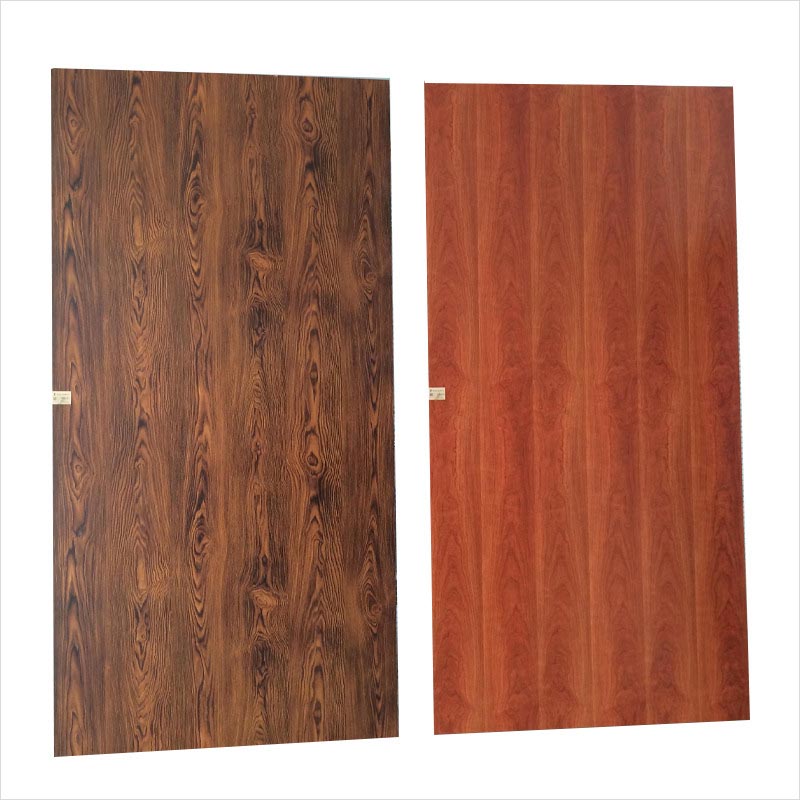
| Melamine Paper Color | Solid color (such as grey, white, black, red, blue, orange, green, yellow, ect.) & wood grain (such as beech, cherry, walnut, teak, oak, maple, sapele, wenge, rosewood, ect.) & cloth grain & marble grain. More than 1000 kinds color are available. |
| Core Material | MDF (Wood fiber: poplar, pine or combi ) |
| Glue | E0, E1 or E2 |
| Density | 730~750kg/m3 (thickness>6mm), 830~850kg/m3 (thickness≤6mm) |
| Usage & Performance | Melamine MDF and HPL MDF is widely used for furniture, interior decoration and wood flooring. With good properties, such as, acid & alkali resistant, heat resistant, easy fabricability, anti-static, easy cleaning, long-lasting and no seasonal effect. |
Disadvantages of MDF
Medium Density Fiberboard (MDF) has several inherent disadvantages, especially in the context of construction, decoration, and export applications:
- Poor Moisture Resistance: MDF is highly absorbent due to its dense fiber structure. When exposed to humidity, moisture, or water, it easily swells, warps, delaminates, or loses structural strength, making it unsuitable for outdoor use or high-humidity environments (e.g., bathrooms, exterior decoration).
- Low Impact Resistance: Compared to plywood or solid wood, MDF has lower toughness and impact resistance. It is prone to chipping, cracking, or breaking when subjected to heavy impact or pressure, limiting its use in load-bearing or high-wear scenarios.
- Not Eco-Friendly in Production: The manufacturing process of MDF typically involves using formaldehyde-based adhesives. If the product does not meet strict environmental standards (e.g., CARB P2, E0), it may release harmful formaldehyde emissions, which is a concern for indoor air quality and export compliance.
- Difficulty in Fastening: MDF has a uniform, dense structure that does not hold screws or nails as well as plywood. It may split if fasteners are not pre-drilled, and repeated disassembly can damage the material, reducing its reusability.
- Heavier Weight: MDF is denser than many other wood-based panels (e.g., particleboard), making it heavier to transport and install, which may increase logistics and labor costs for export and on-site applications.
ADVANTAGE OF MELAMINE MDF
Melamine MDF (Medium Density Fiberboard with Melamine Facing) combines the advantages of MDF with the superior performance of melamine surface treatment, making it highly suitable for construction, decoration, and export applications. Its key advantages are as follows:
-
Superior Surface Durability: The melamine facing forms a hard, wear-resistant layer on the MDF surface, which is scratch-resistant, impact-resistant, and resistant to daily wear and tear. It maintains its appearance even after long-term use, making it ideal for high-traffic areas or frequently used products (e.g., cabinetry, door panels, wall panels).
-
Excellent Moisture Resistance: Compared to conventional MDF, melamine MDF has significantly improved moisture resistance. The melamine coating acts as a barrier, preventing moisture from penetrating the MDF core, thus reducing swelling, warping, or delamination. It is suitable for indoor environments with moderate humidity (e.g., kitchens, living rooms).
-
Rich Aesthetic Options: Melamine MDF is available in a wide range of colors, patterns, and textures (e.g., wood grain, solid color, stone texture), which can perfectly simulate the appearance of solid wood, marble, or other materials. This versatility meets diverse decorative needs and reduces the need for additional painting or finishing.
-
Eco-Friendly and Low Emission: High-quality melamine MDF uses formaldehyde-free or low-formaldehyde melamine adhesives, complying with international environmental standards (e.g., CARB P2, E0, ISO). It has low formaldehyde emissions, ensuring indoor air quality and meeting export environmental requirements.
-
Easy Maintenance & Processing: The smooth, non-porous melamine surface is easy to clean—stains can be wiped off with a damp cloth without leaving marks. It also retains MDF’s inherent advantage of easy processing, allowing for cutting, drilling, and edge banding to meet customized product requirements.
-
Cost-Effective: Compared to solid wood or high-grade veneer materials, melamine MDF offers excellent performance at a more competitive price. It balances quality, aesthetics, and cost, making it a cost-effective choice for both manufacturers and end-users in global markets.
